What Is Makhana? A Complete Guide to Fox Nuts
By Aamir Raza (Mr Makhana) · 8 October 2026
What makhana (fox nuts, lotus seeds) is, where it grows, how it is harvested and popped, and how to choose a good quality pack.
Makhana in one sentence
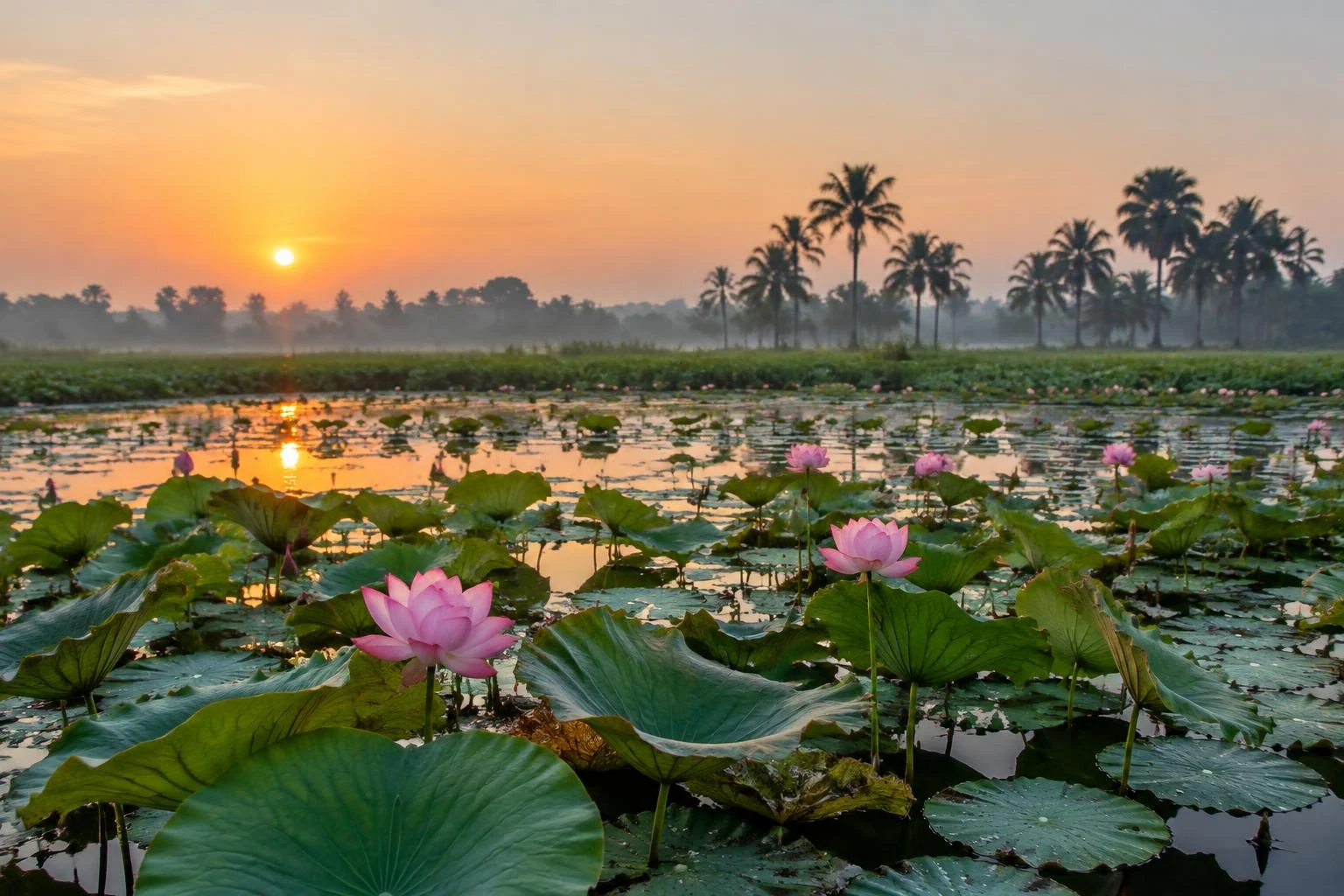
Makhana is the popped seed of Euryale ferox, a prickly water lily that grows in still, shallow freshwater ponds and wetlands. Once the hard black seed is roasted and cracked, the inner kernel puffs into the light, ivory, crunchy ball most people recognise. In English it is sold as fox nuts, lotus seeds, gorgon nuts or prickly water lily seeds, and in Hindi it is commonly called phool makhana.
Although the plant is related to the lotus family in everyday speech, botanists treat Euryale ferox as its own species. That is why you will see both “lotus seeds” and “fox nuts” on packs around the world — they usually describe the same snack.
Where makhana comes from
Most of the makhana traded in India is associated with north Bihar, particularly the Mithila region, where a network of ponds, oxbow lakes and low-lying farmland holds water for most of the year. The climate, the water and generations of practical knowledge make the region well suited to the crop.
Families in these villages have worked with makhana for a very long time. The skills involved — knowing when seeds are ready, how long to sun-dry them and how to judge the roast — are often passed down by watching rather than by manuals. Munch Misty is rooted in this Bihar heritage, and that origin is the starting point of every pack we prepare.
From pond to pack: how makhana is made
Making makhana is a slow, hands-on process. The steps differ slightly between producers, but the overall journey looks like this:
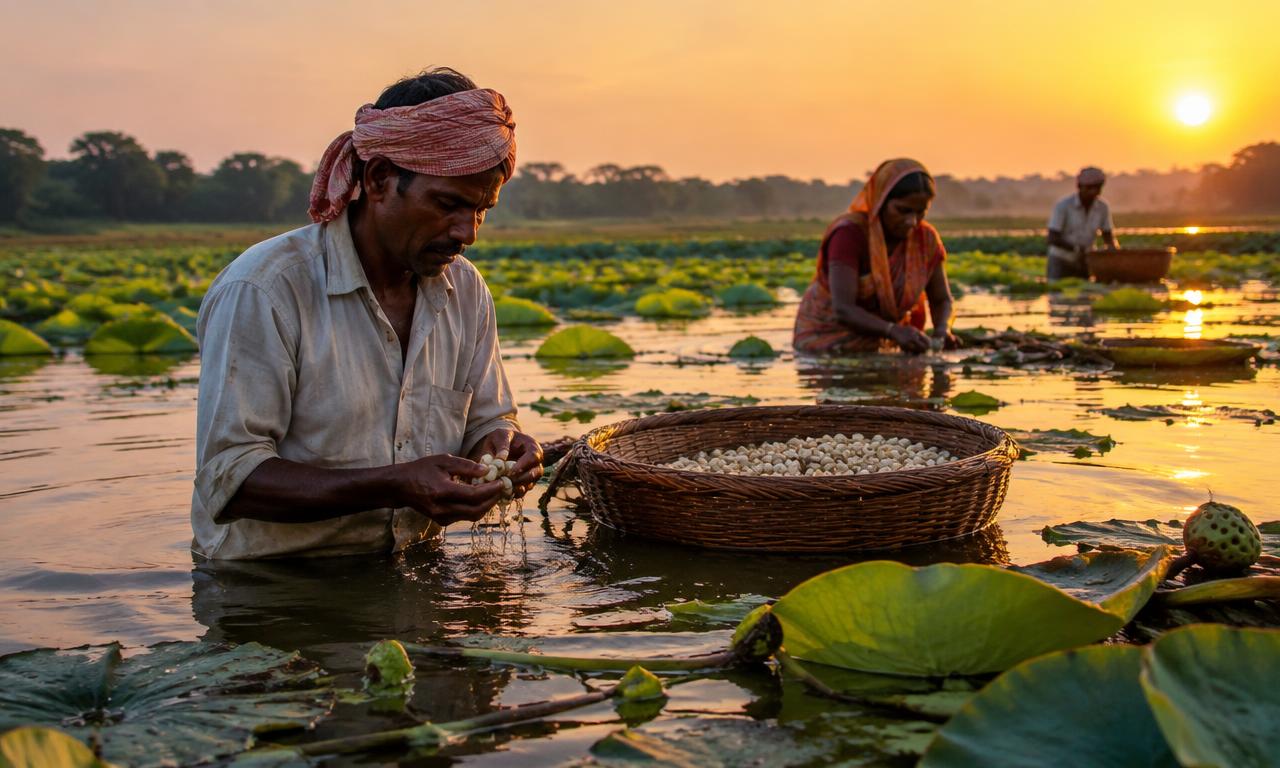
- Harvest: seeds settle at the bottom of the pond after the fruit ripens. Workers gather them from the pond bed, traditionally by hand.
- Cleaning: the seeds are washed and sieved to remove mud and plant debris.
- Sun drying: seeds are spread out and dried so the moisture level is right for roasting.
- Grading: seeds are sorted by size, because similar sizes roast and pop more evenly.
- Roasting and popping: seeds are heated in pans, then struck so the hard shell cracks and the kernel puffs out.
- Sorting again: popped makhana is graded by size, colour and wholeness.
- Packing: the finished makhana is packed quickly to protect its crunch from humidity.
What makhana tastes like
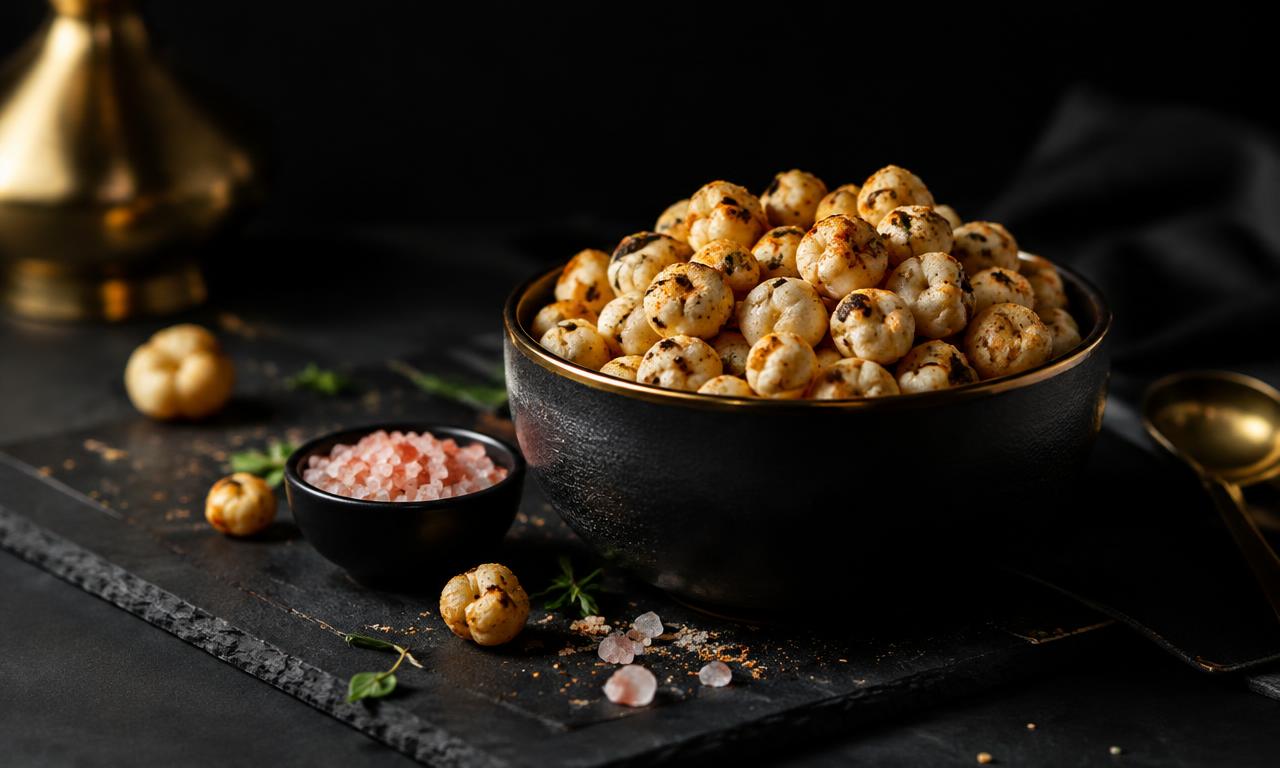
On its own, plain makhana is mild with a faint nutty, toasty note. Its real character is texture: light and airy at first, with a crisp bite that softens as you chew. Because the flavour is neutral, makhana takes seasoning very well — from a touch of salt and ghee to bolder spice blends, cheese and herbs, or sweet coatings.
Raw, roasted and flavoured — what is the difference?
“Raw” makhana usually means popped makhana that has not been seasoned or re-roasted for snacking; home cooks often dry-roast it themselves or use it in curries and kheer. “Roasted” makhana has been toasted again so it is crisp and ready to eat. “Flavoured” makhana is roasted and then seasoned. Each product page lists its own ingredients once final labels are approved, and you should always read the label on the pack you buy.
How to choose good makhana
A few simple checks help you pick a better pack:
- Size and uniformity: larger, evenly sized pieces usually indicate careful grading.
- Colour: look for a clean ivory-white kernel; a few natural brown flecks from the seed coat are normal.
- Crunch: fresh makhana should be crisp, not chewy. Chewiness usually means moisture has crept in.
- Packaging: a resealable, moisture-protective pouch keeps the crunch for longer.
- Labelling: check the ingredient list, allergen information and the FSSAI licence number on Indian packs.
How to store makhana
Makhana absorbs moisture from the air, so keep it sealed in an airtight container in a cool, dry place away from sunlight. If it loses its crunch, a few minutes of dry roasting on low heat in a pan usually brings it back. Avoid storing it in the fridge, where condensation can make it soft.
Ways to enjoy makhana
Makhana is famously versatile. Eat roasted makhana straight from the pack, toss plain makhana with a little ghee and salt, add it to trail mixes, stir it into curries for texture, or cook it in milk for makhana kheer. Many people simply enjoy it as a light evening snack with tea.
Buying makhana from Munch Misty
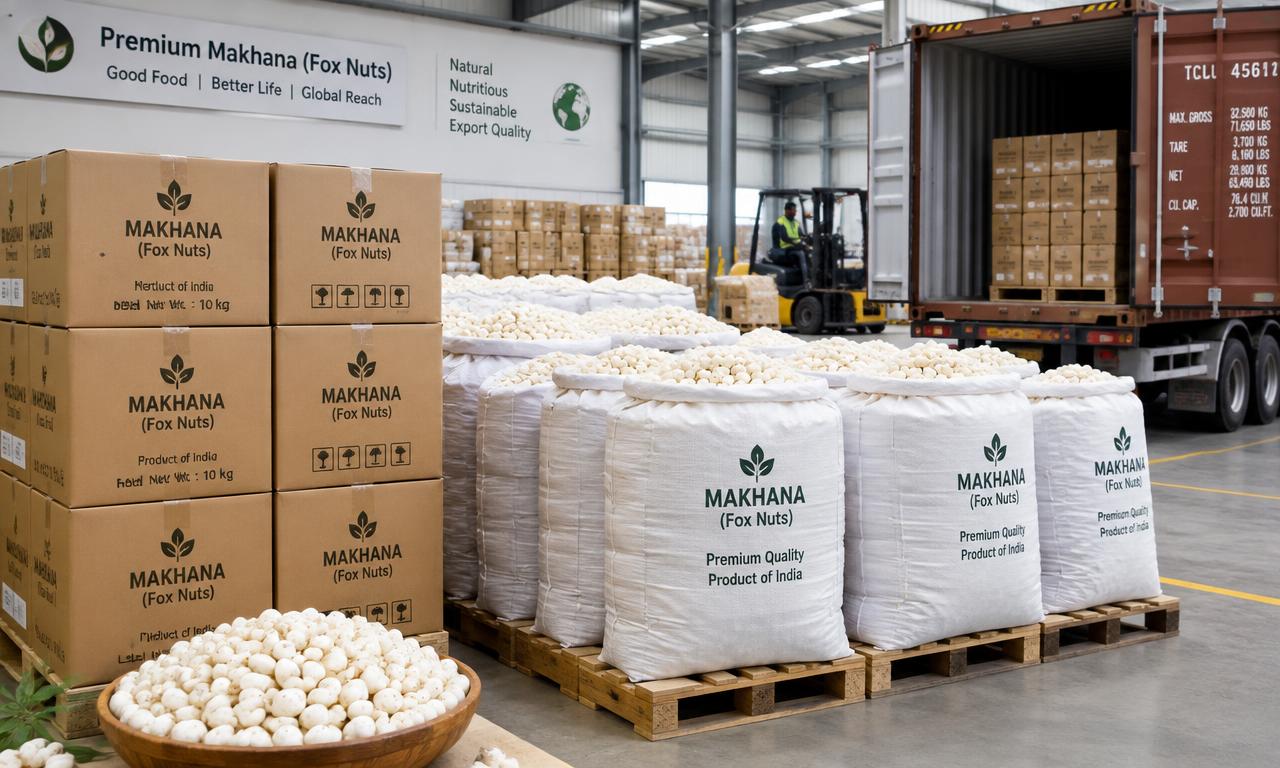
Munch Misty offers raw, roasted and flavoured makhana in retail packs, plus bulk and private-label supply for businesses. Our pricing is shared on request so that grade, pack size and destination are reflected accurately. You can browse the collection, ask a question on WhatsApp, or send a business inquiry using the form on this page.
Frequently asked questions
Are fox nuts and lotus seeds the same thing?
In everyday trade, yes — both names are used for popped Euryale ferox seeds, also called makhana or phool makhana.
Where is most makhana grown?
In India, makhana is most closely associated with north Bihar, especially the Mithila region.
Why does makhana go soft?
It absorbs moisture from the air. Keep it sealed and dry-roast briefly to restore crunch.
Talk to Munch Misty
Questions about this topic, samples or a quotation? Send us your details and our team will reply.